Why male lions sleep most of the day?
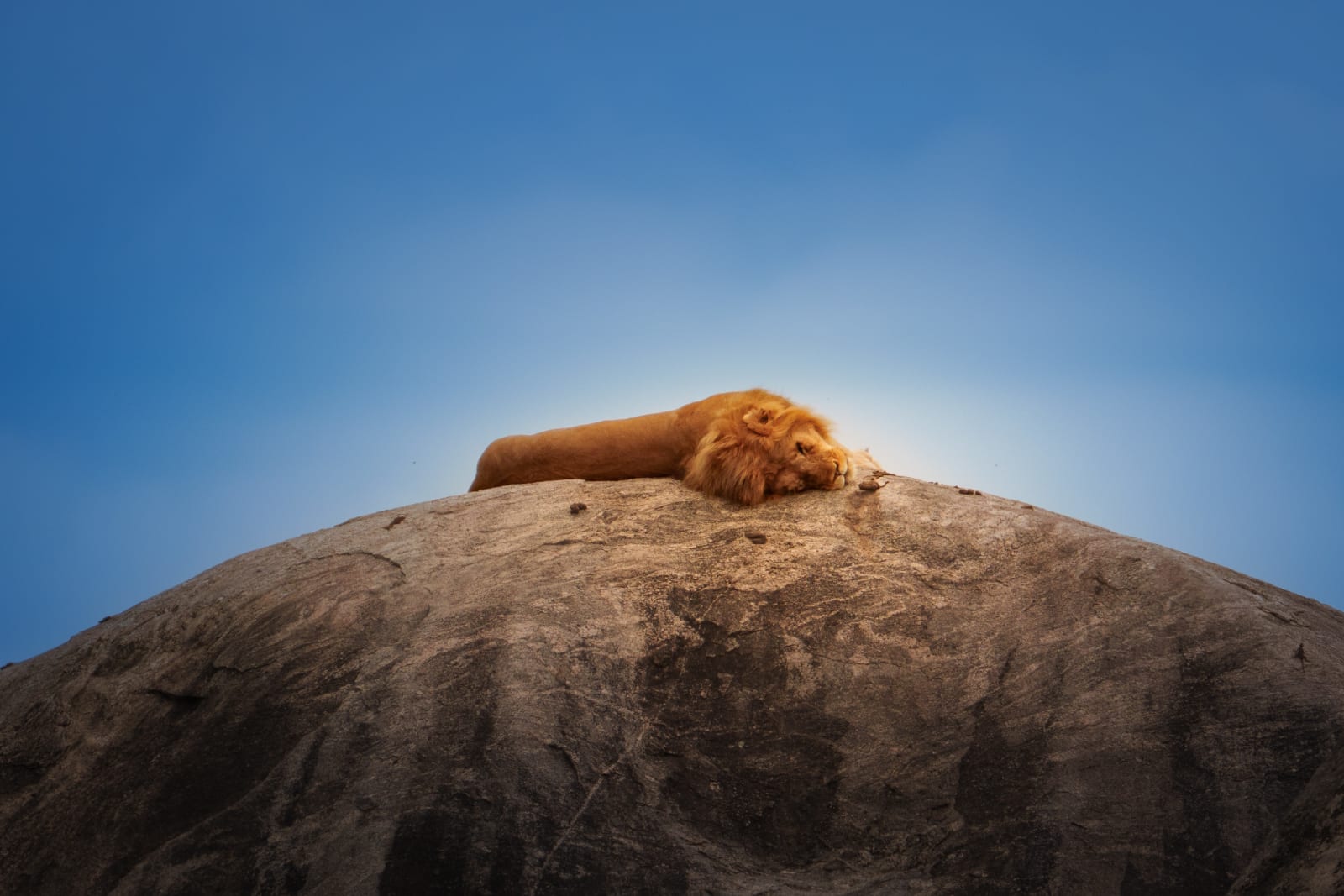
It was middle of the day in the Serengeti and the most impressive animal on the plain was doing absolutely nothing.
It's a survival strategy for them: hunting, defending territory, and fighting off rivals all demand a lot of energy in bursts, so resting when it's hot helps them save their strength.
The rock is part of that strategy. A kopje (ancient rock formation) gives a pride of lions the high ground advantage and shade between the boulders.
20 hours down - Dream of a software developer
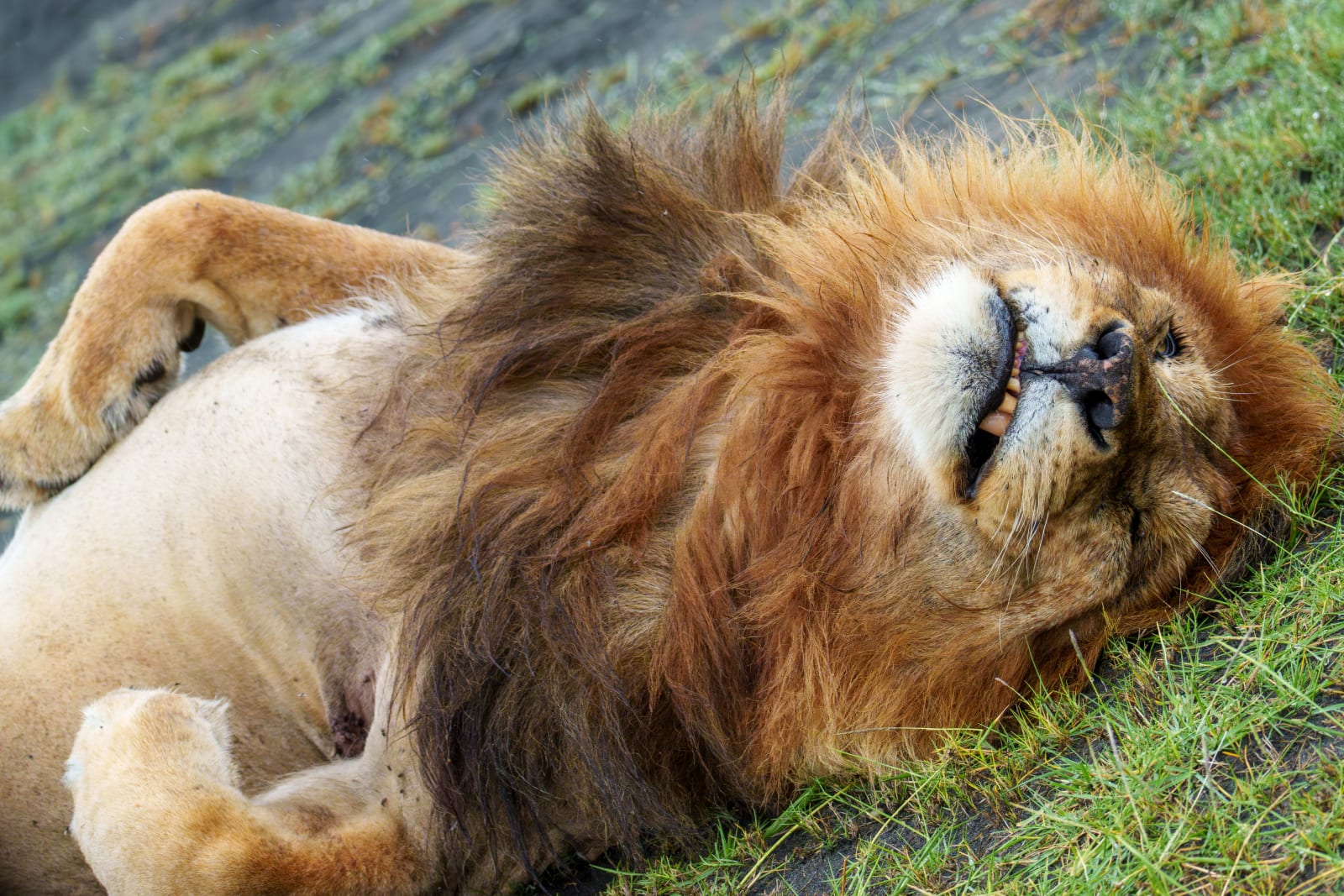
Lions can spend up to 20 hours of the day lying still. Most of the time they don't really sleep, they doze. The males lie down the longest.
Lions are ambush hunters with one short violent burst in them: accelerate, close the gap, bon appétit. He has to be close before he starts. If he misses, he goes back to his nap.
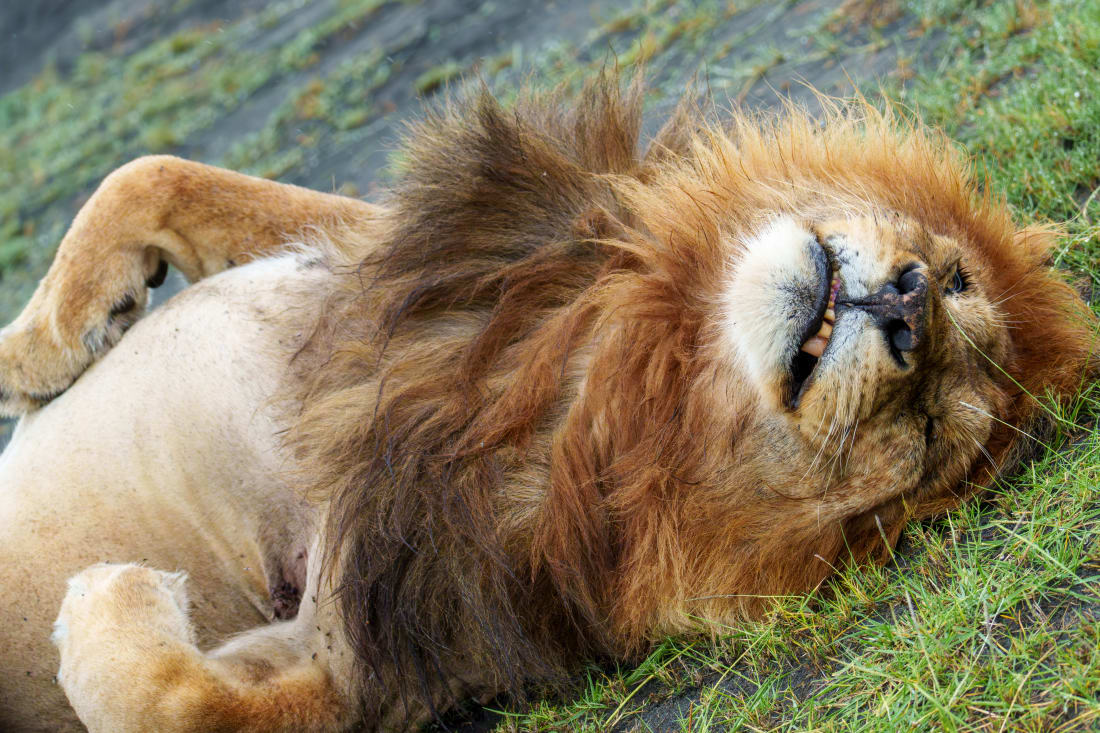
Why the night is worth waiting for
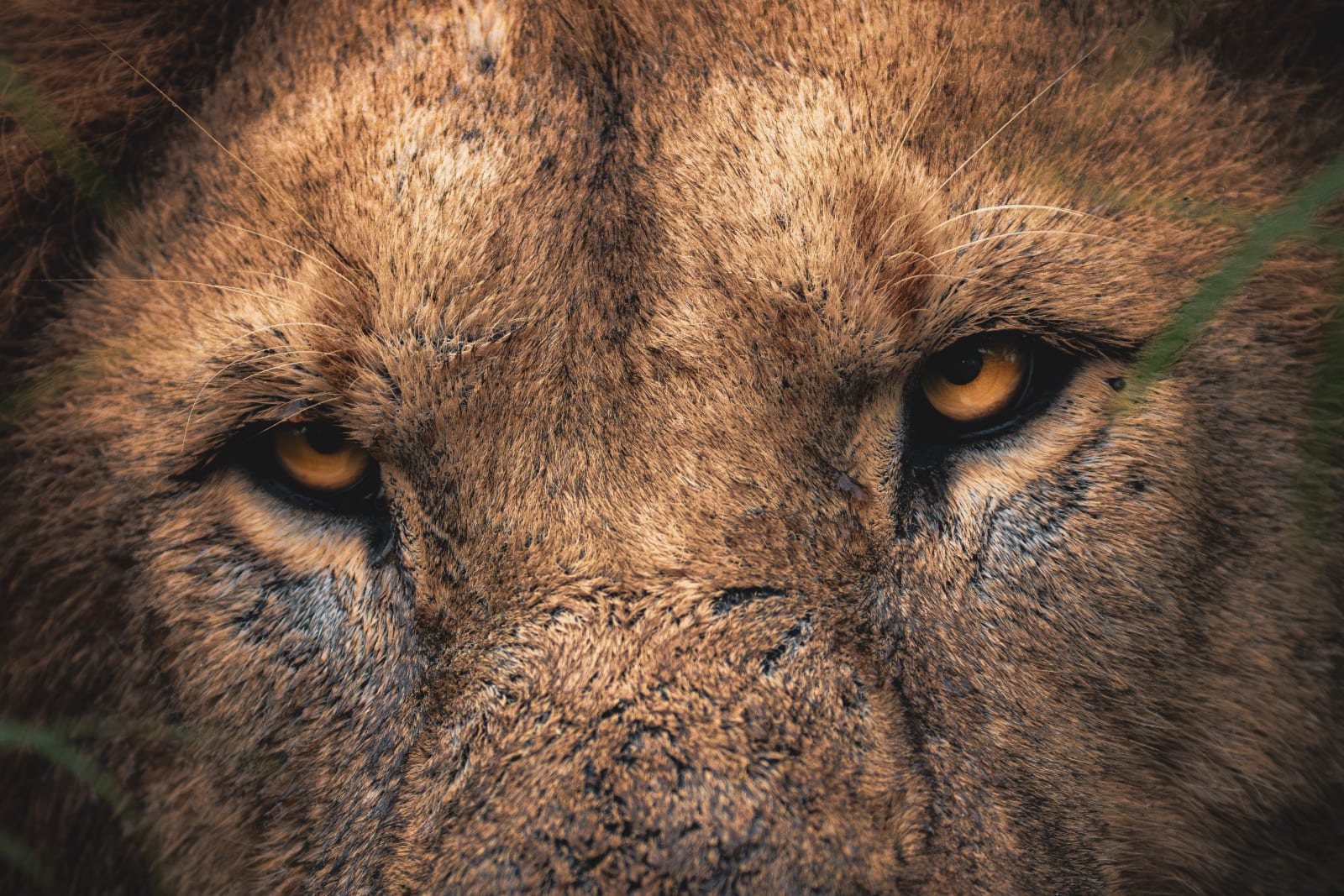
His eyes are another part of why they sleep most of the day. A reflective layer sits behind the retina and bounces light back through it a second time, so he sees in darkness far better than we do. Instead of wasting energy when prey can see them coming, they stay inactive and then switch on the night goggles when conditions are right.
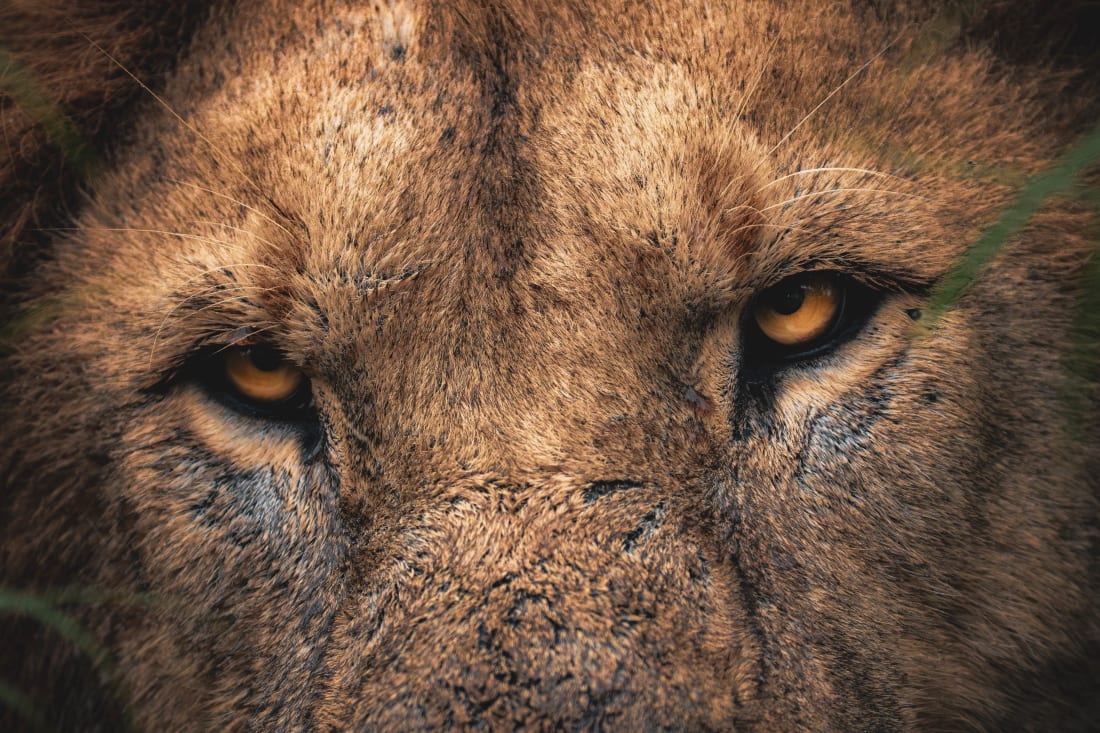
Cooler air helps as well so they hunt better at 10pm than 2pm. In the end, it's less about laziness and more about efficiency.
What he is resting for
On open ground the lionesses do most of the hunting, and a male will often take his share of a kill despite not joining the effort. It is where the lazy reputation comes from I guess.
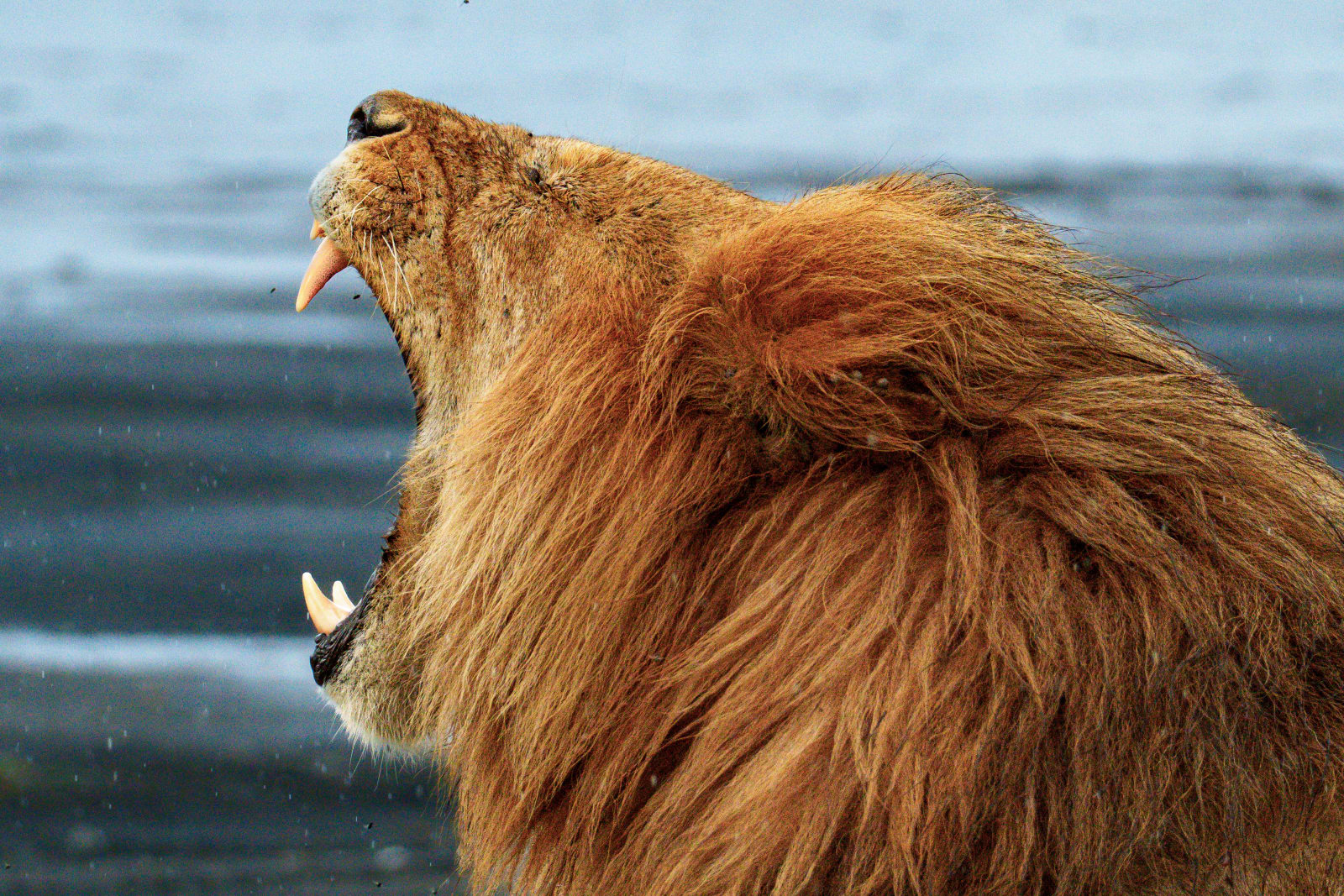
He walks the boundary of his territory, he roars, a sound that carries about 8 km, and then listens for what answers back. When a rival group tests the border he has to go and meet it, and those meetings kill males regularly. Losing costs him everything: the pride, and usually the lion cubs... So he cannot afford to walk into that fight tired.
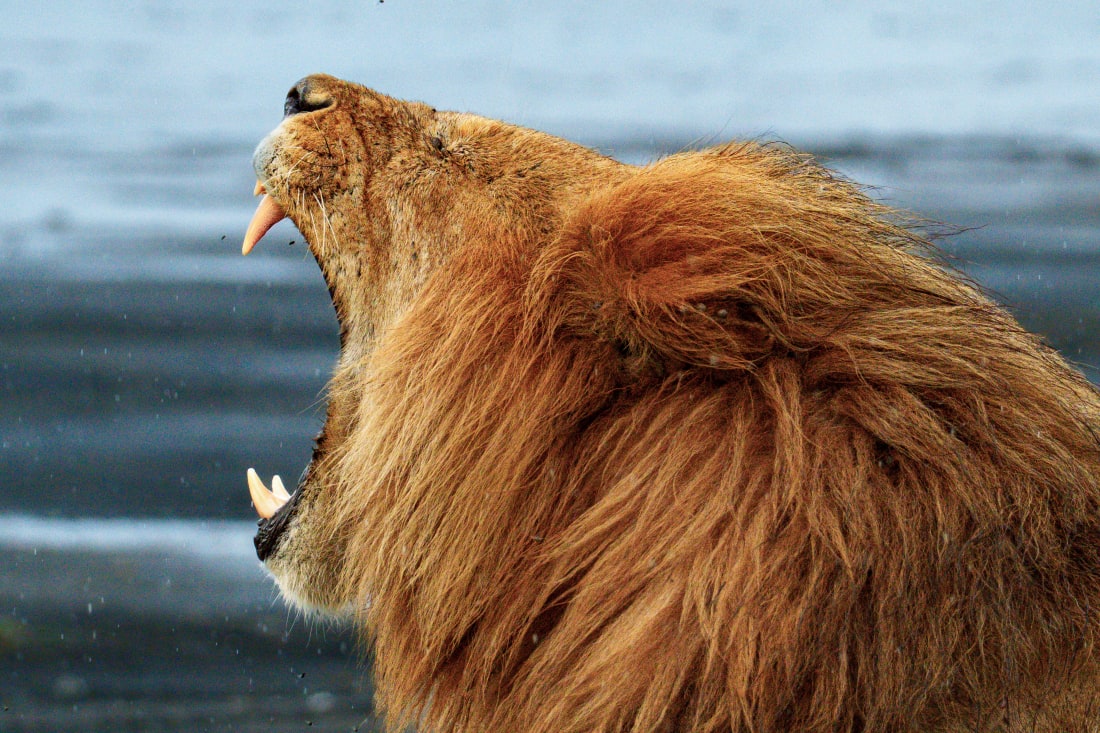
Big cats are worth your time during golden hours. They will be laying down flat on the ground at noon. If you are parked and waiting, watch for the yawn and the long stretch that follows it. That is usually the tell that something is about to happen (or not).
That lion on the rock never moved the whole time we were there. Whatever he was saving it for happened well after we had driven back to camp.

